
Costa del Sol vs Costa Blanca
Costa del SolvsCosta Blanca
Premium international market with year-round infrastructure vs better value and stronger seasonality.
Read the related guide

Independent, data-driven guidance for international buyers — area fit, real prices, taxes, mortgages and legal status, all in one place. Know more than your agent before the first viewing.
Curated by Susan Hobbelin · Founder of Costa del Sol Lifestyle
Why BuyaProp
Not a listing portal. A smart buyer guidance and transaction platform — designed end-to-end for international buyers in Spain.
Agents represent the seller. We represent your decision — every recommendation is data-driven, not commission-driven.
Understand what you can borrow as a non-resident and what your real monthly commitment looks like.
Taxes, notary, registry, legal, IBI, community fees — modelled upfront, before you fall in love with a property.
NIE, non-resident mortgages, currency, fiscal residency — the specifics that local portals ignore, simplified.
Walk into every viewing with the full picture: area benchmarks, yield, legal status, future supply, lifestyle fit.
From first idea to notary day — every step, document and milestone tracked in one premium dashboard.
The essentials
Key terms
Concise, factual definitions of the terms you'll meet at reservation, due diligence and notary. See the full glossary for more.
Buying costs
Indicative ranges for the fees and taxes on top of the purchase price. Actual figures depend on region, property type and financing.
| Cost | Typical range | Notes |
|---|---|---|
| ITP (resale) | 6% – 13% | Regional transfer tax on the purchase price. |
| IVA (new build) | 10% | VAT on new-build residential purchases. |
| AJD (new build / mortgage) | 0.5% – 1.5% | Stamp duty on new builds and mortgage deeds. |
| Notary fees | 0.1% – 0.5% | Set by regulated tariff; depends on price and complexity. |
| Land Registry | 0.1% – 0.25% | Registration of the deed in your name. |
| Independent lawyer | 0.5% – 1.5% | Buyer-side legal representation and due diligence. |
| Mortgage arrangement | 0.5% – 1.5% | Bank opening fee; valuation typically €300–€600. |
Launch regions
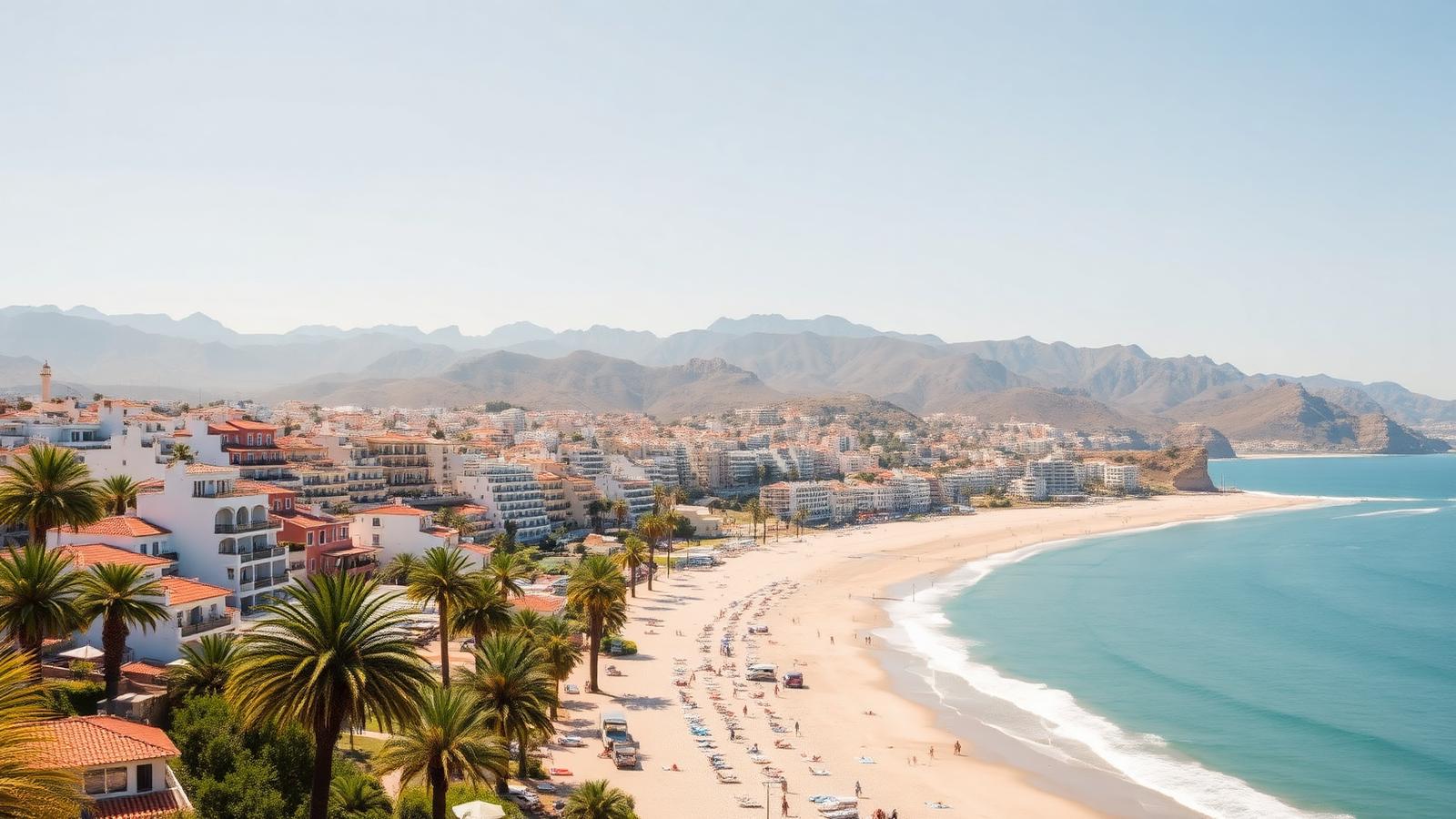
Year-round sun, golf and a polished international community.
21 curated areas
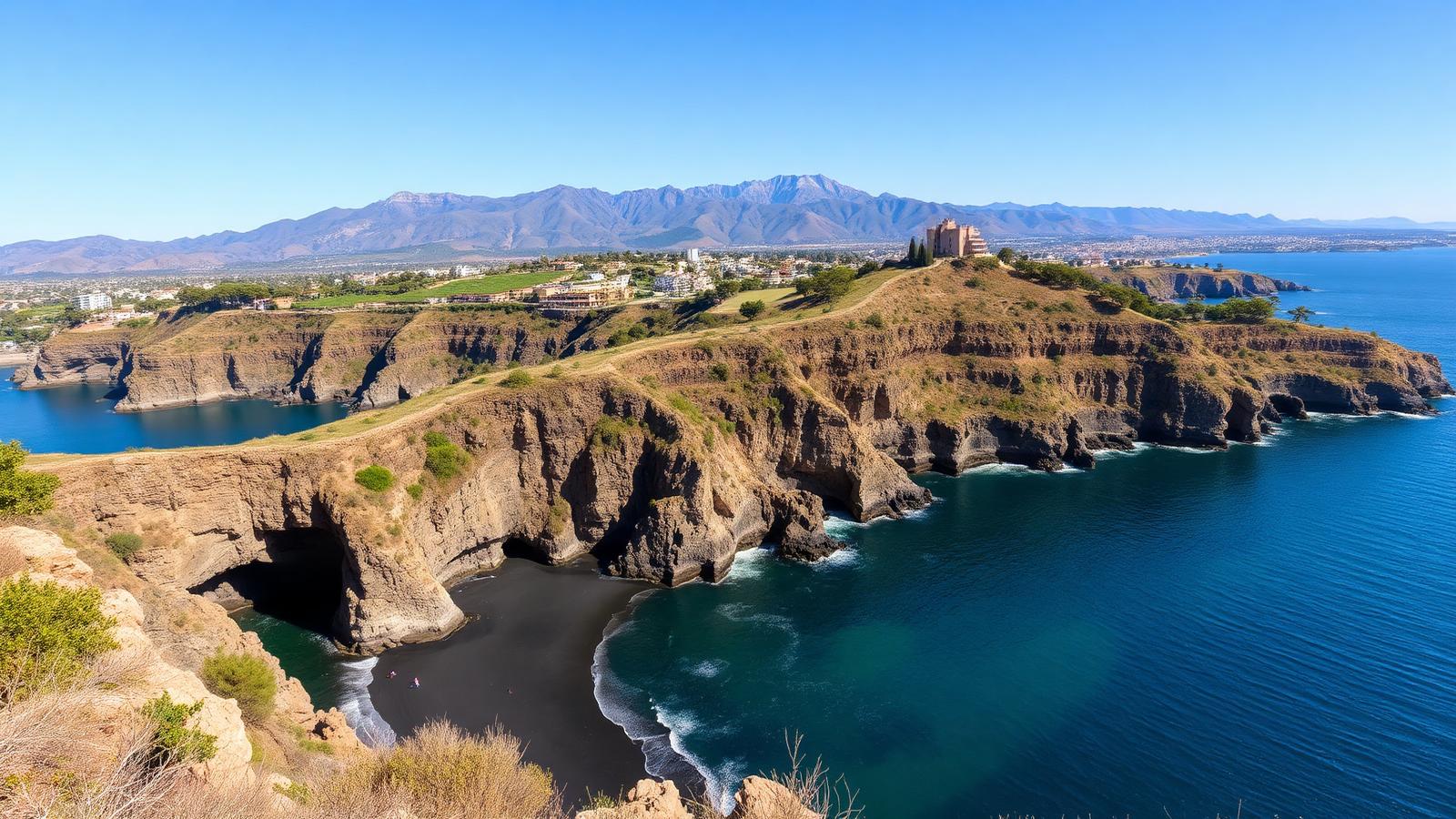
Granada's subtropical coast — mild winters and authentic pueblos.
4 curated areas
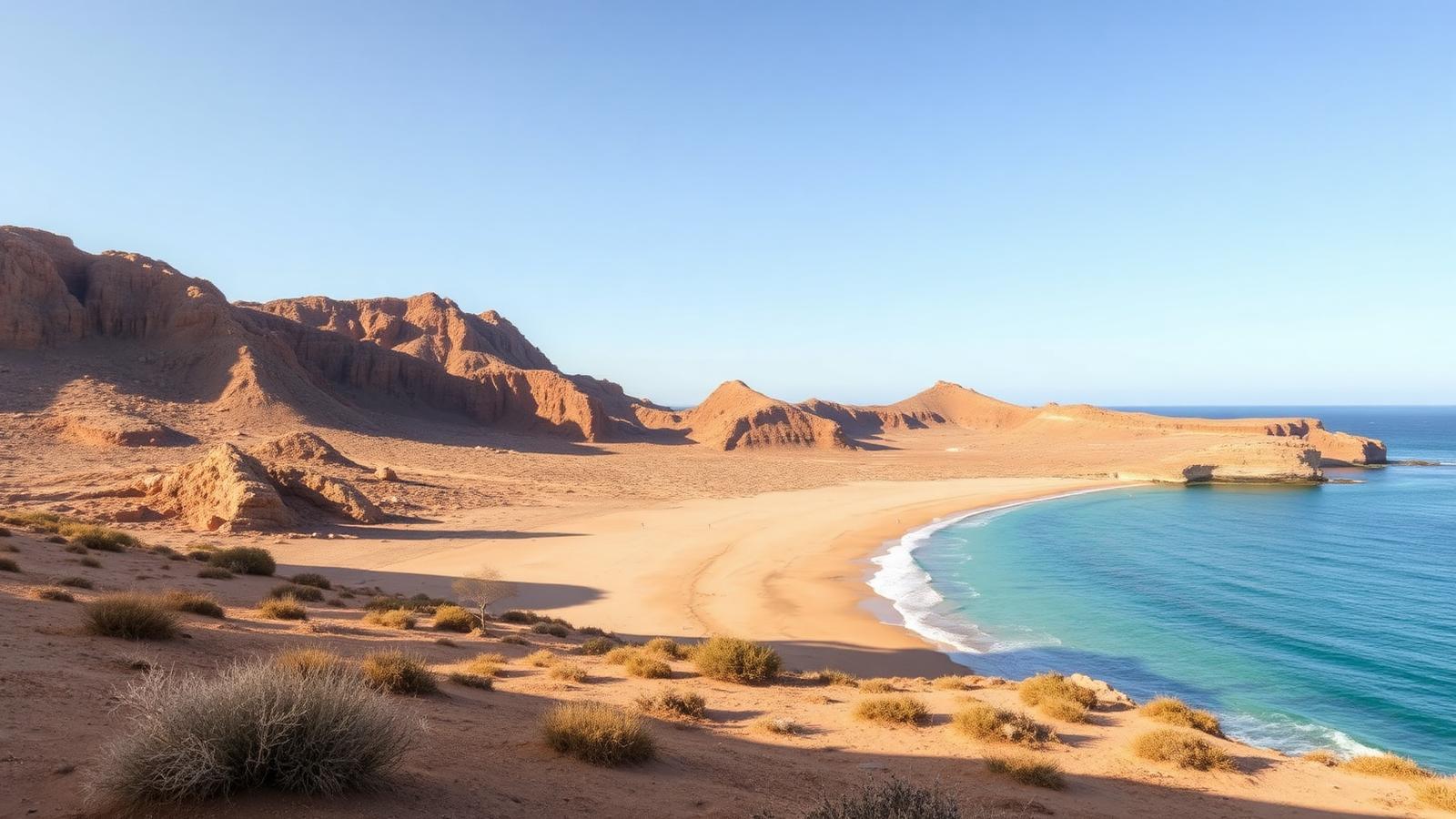
Driest climate in Europe, strong yields and exceptional value.
6 curated areas
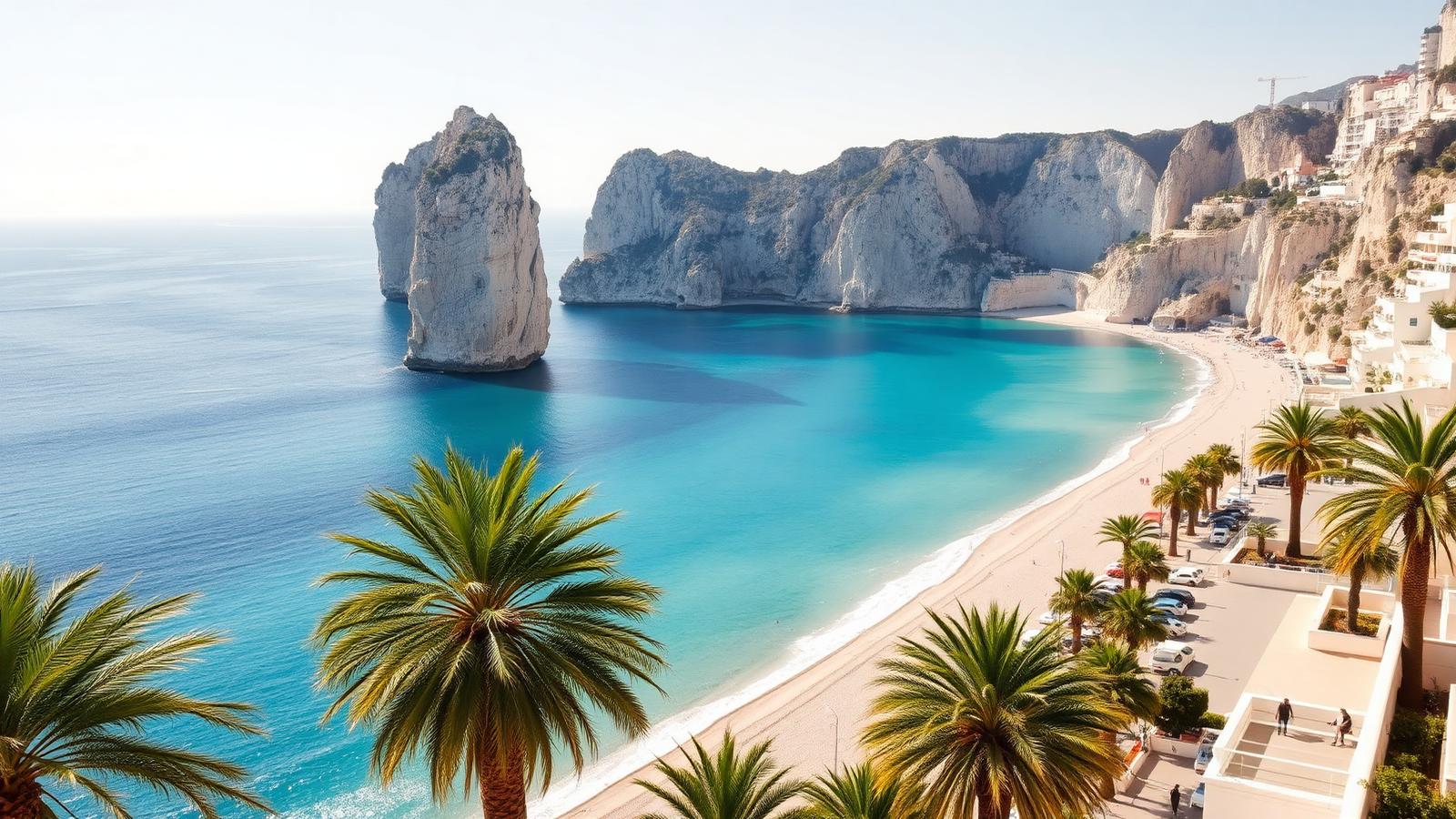
Authentic Mediterranean villages and exceptional value.
13 curated areas
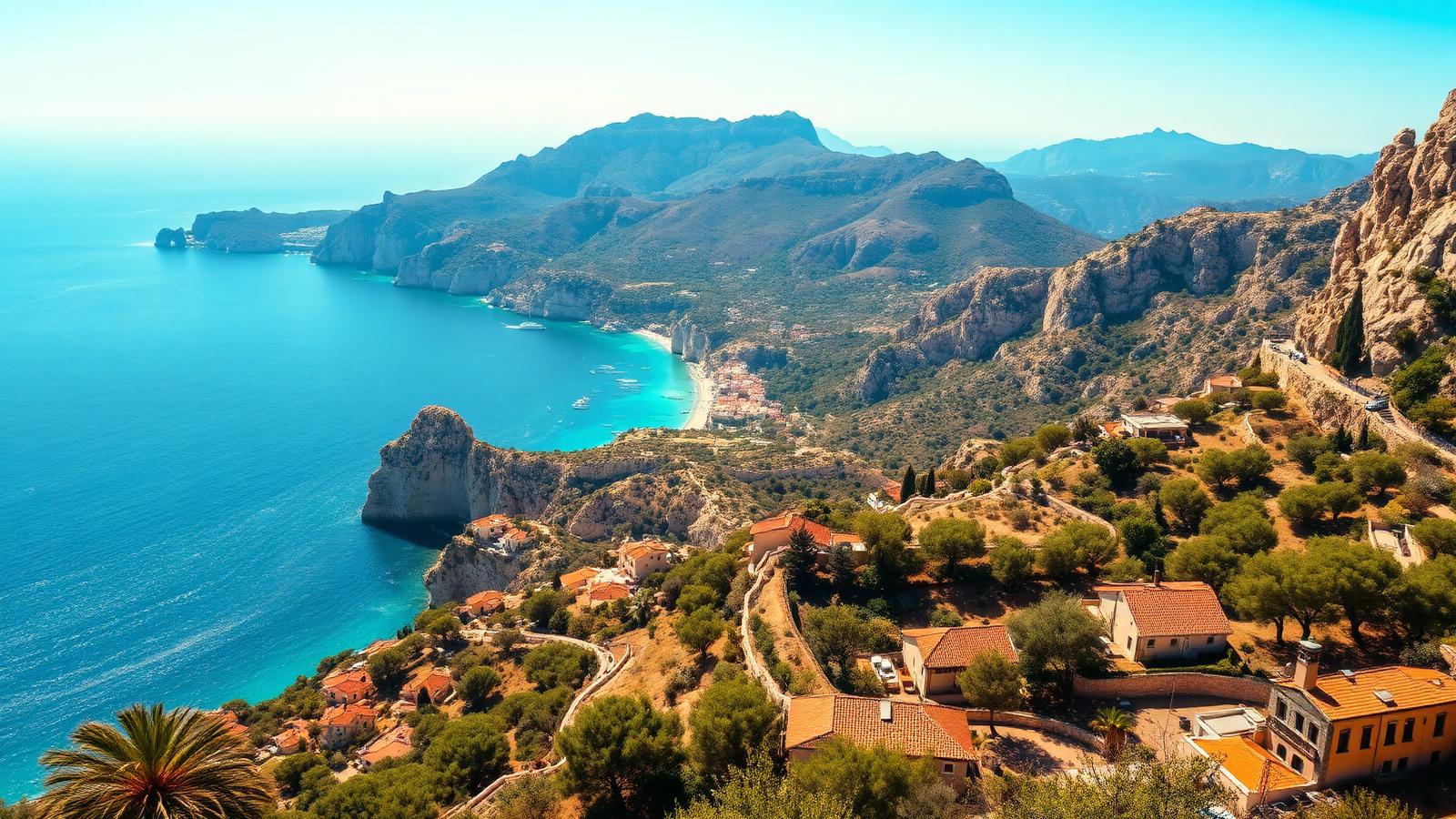
Refined island living from Palma to the Tramuntana.
10 curated areas
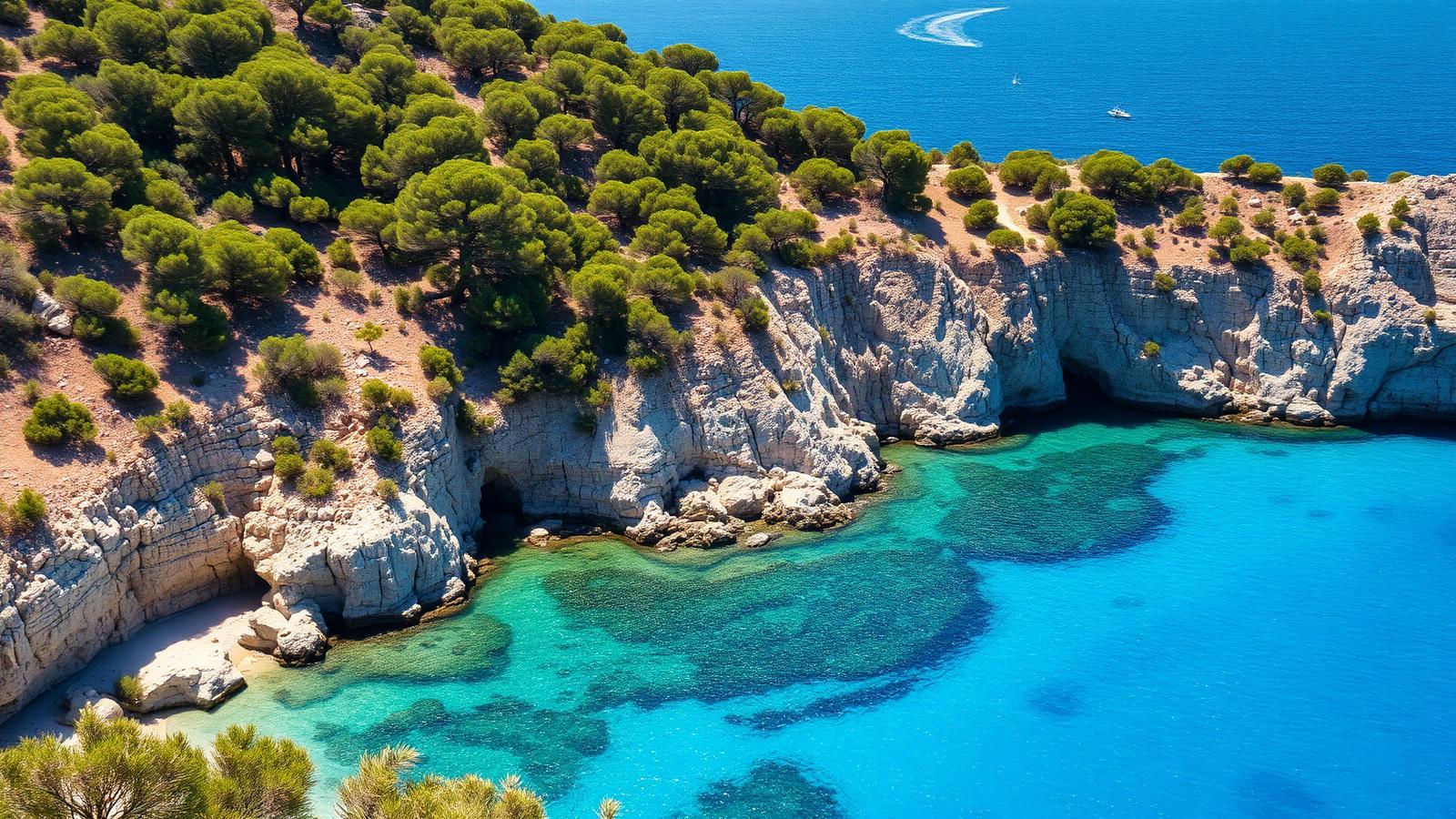
Iconic beaches, design villas and trophy investments.
6 curated areas
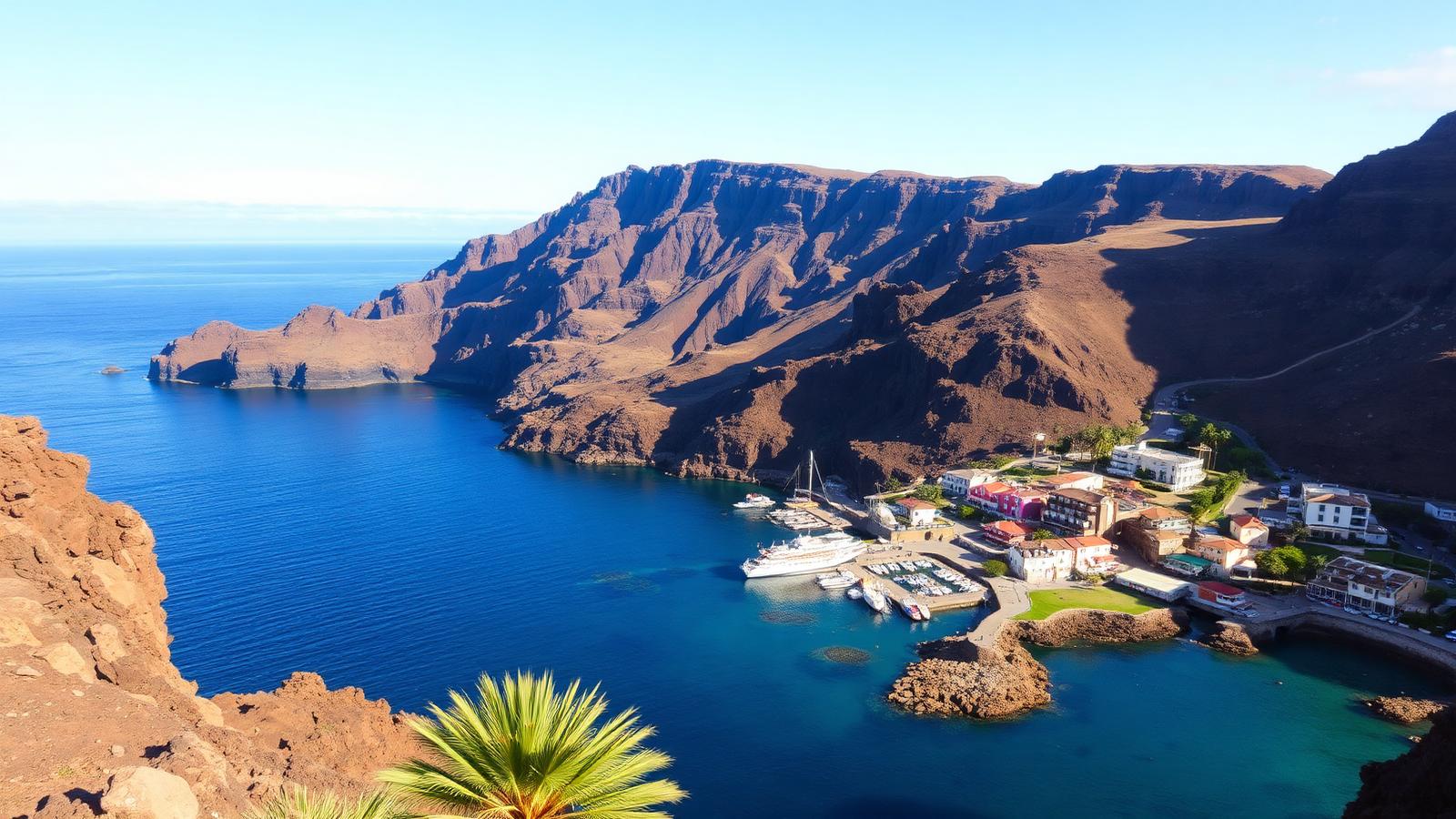
Year-round 22°C climate, dunes, marinas and strong winter yields.
7 curated areas
Featured destinations
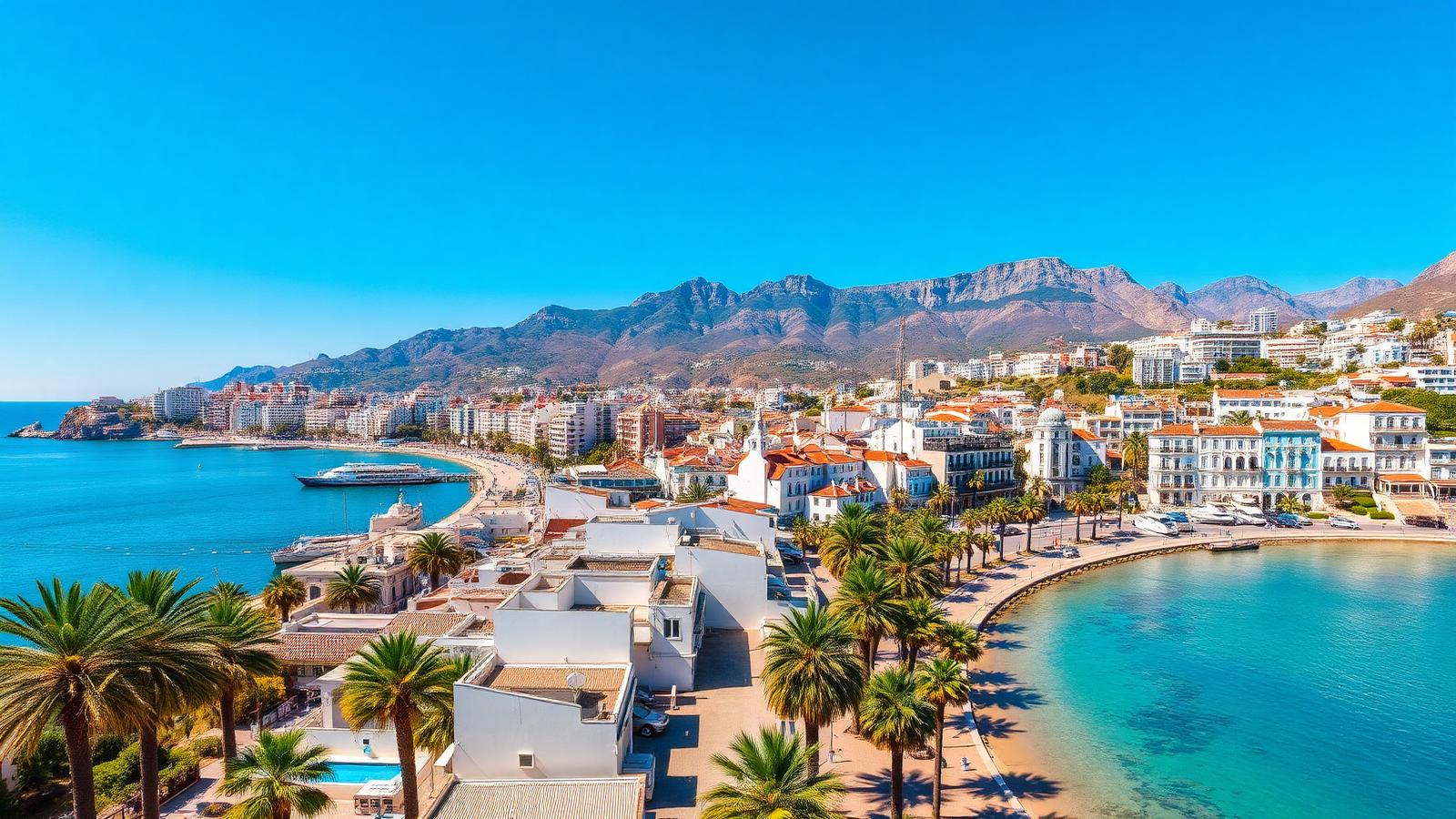
Luxury living · Investors · Families
Glamorous coastal capital with year-round sun, world-class dining and a polished international community.
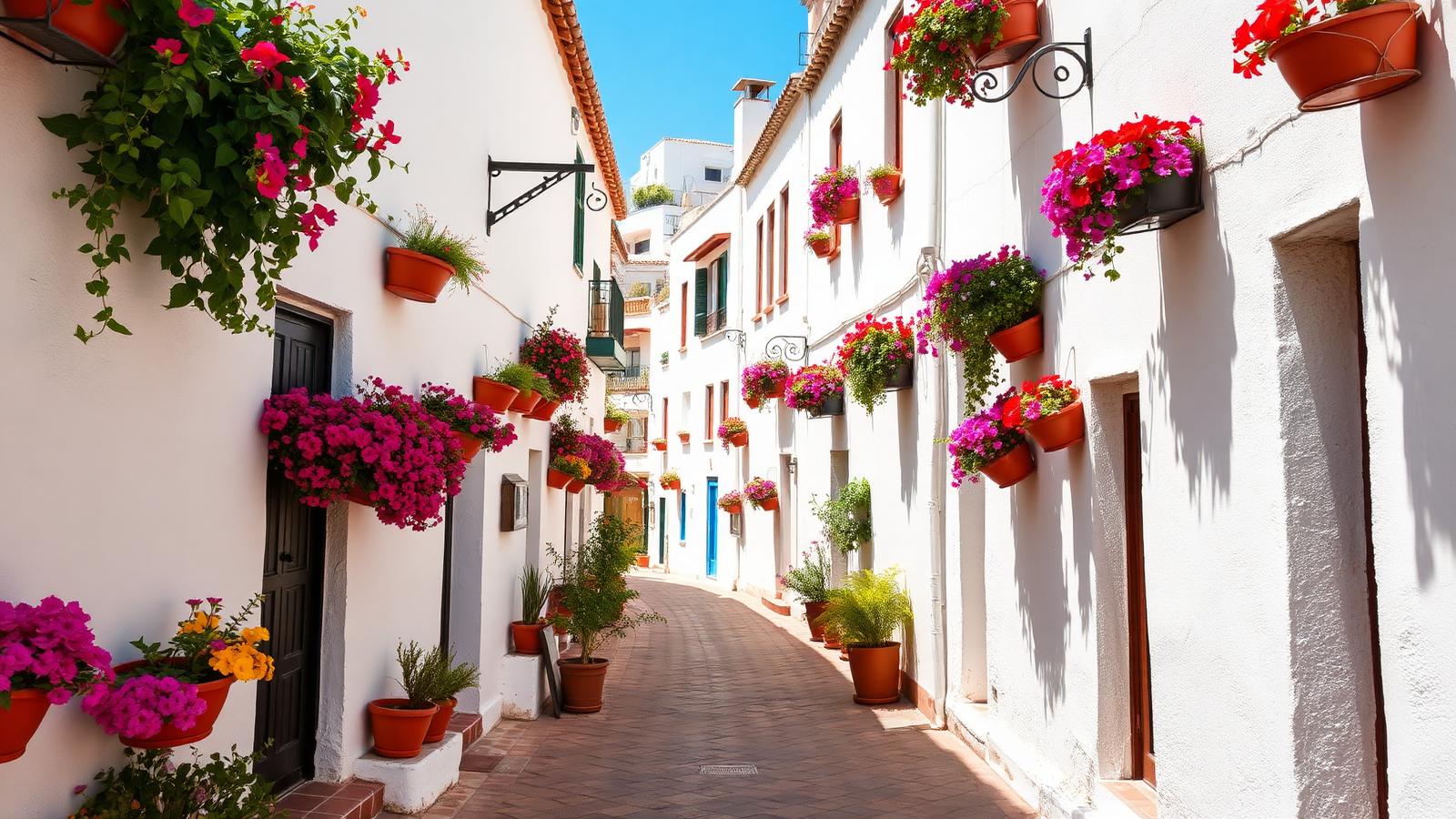
Families · Long-term residents
Charming old town, blooming flower-lined streets and a maturing luxury beachfront.

Urban luxury · Investors
Sophisticated capital — Gothic cathedral, design hotels, marina and serious capital appreciation.
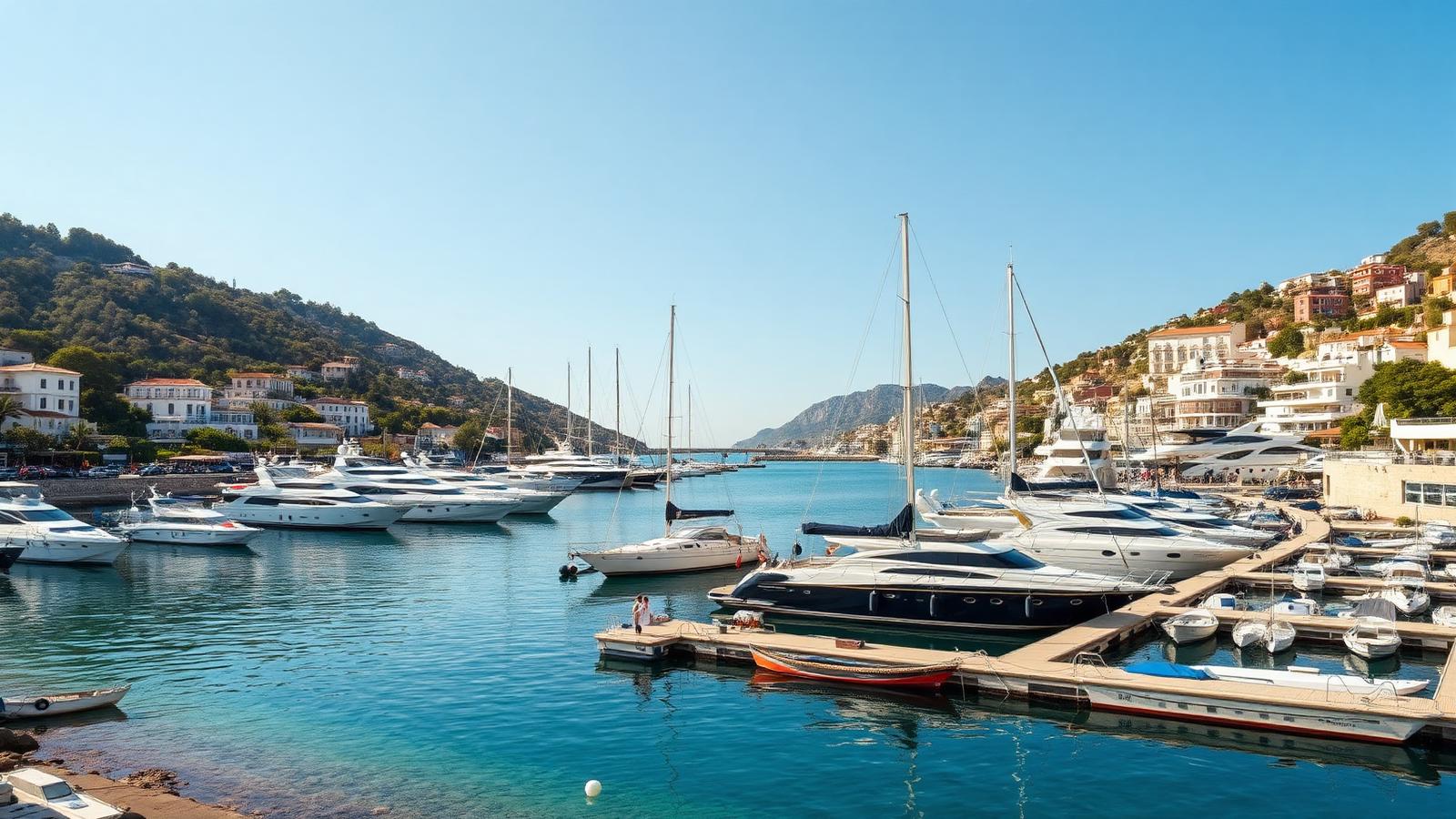
Trophy assets · Privacy
Postcard fishing harbour turned ultra-prime enclave with hillside villas overlooking superyachts.
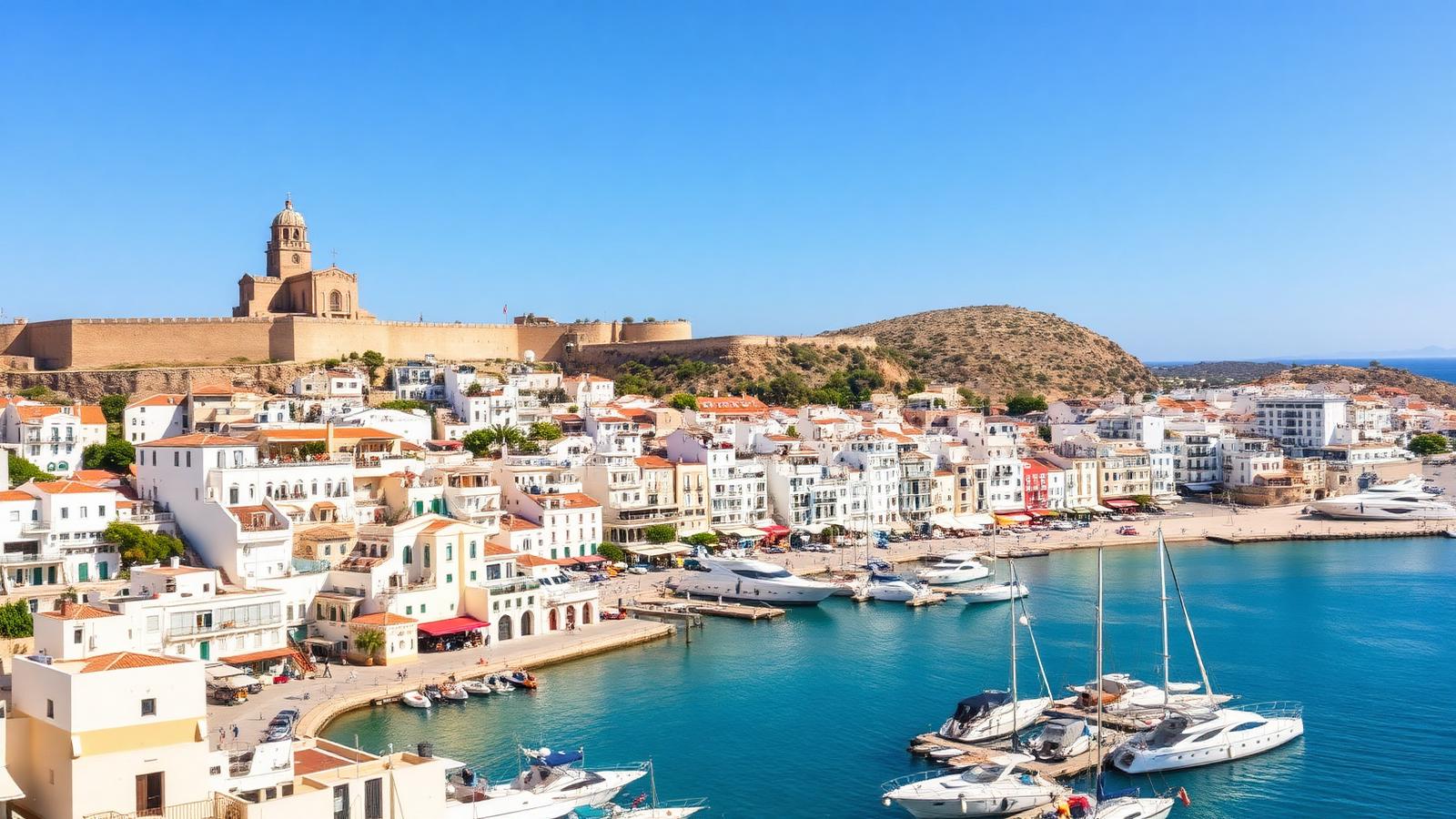
Lifestyle · Short-let investors
UNESCO Dalt Vila, marina nightlife and the island's commercial and cultural heart.
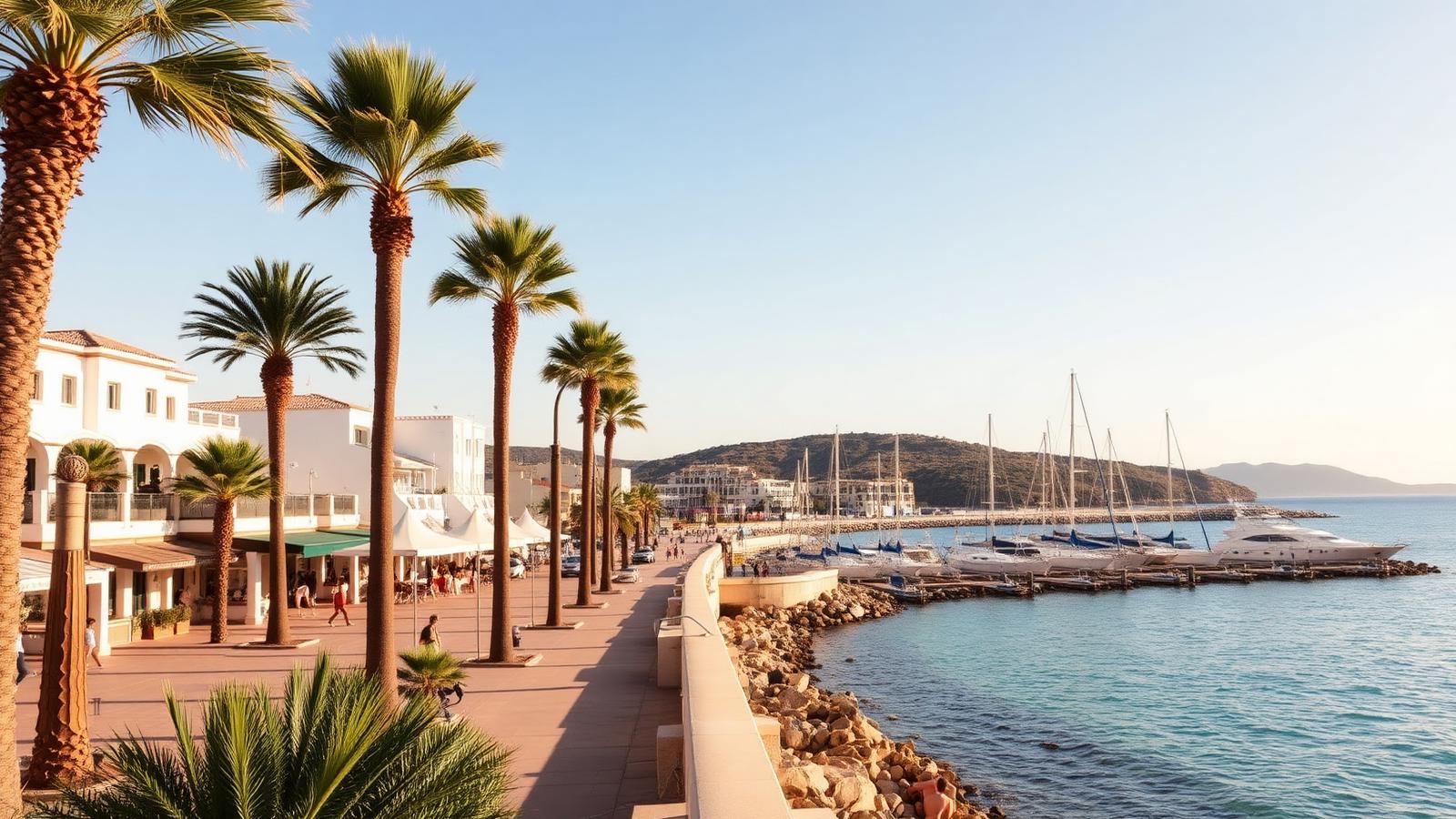
Families · Year-round residents
The island's family capital — palm-lined promenade, marina and excellent restaurants.
How it works
Lifestyle, budget, timeline and intent — in minutes.
AI shortlists Spanish regions and areas that match you.
See realistic budgets, costs and total cash needed.
Model down payments, rates and monthly commitments.
Receive guidance on the right neighbourhoods and stock.
From offer to notary, every step tracked in one dashboard.
Our data
We are not a portal recycling listings. Below are the official and market sources we plan to build on, each labelled with its current status — none is connected automatically yet.
Official property registry. Closest source to ground truth for completed Spanish property sales.
Notarial deed data — actual signed transaction prices, mortgage usage and non-resident buyer behaviour.
National statistics: demographics, migration, tourism and property transfer data.
Central bank data: mortgage market, interest rates, credit conditions and affordability.
The most comprehensive real-time Spanish market source — asking prices, demand and rental yields per micro-market.
Prime and luxury market intelligence with strong Costa del Sol and Balearic coverage.
BuyaProp is buyer-side and free for buyers. We don't represent sellers and you never pay us a commission. When you're ready, we introduce you to vetted local agents and partners — and they pay us a referral fee only if a deal completes. Our recommendations are based on fit, not who pays the most.
Decision frameworks
Quick, honest comparisons — not sales pitches — for the decisions that shape your purchase.
Premium international market with year-round infrastructure vs better value and stronger seasonality.
Read the related guide
Established prestige and liquidity vs faster growth, newer stock and better €/m² today.
Read the comparison
Lower entry price, community services and lock-and-leave vs privacy, land and long-term capital growth.
Read the related guide
10% IVA + AJD, modern spec, staged payments vs 6–10% ITP, established communities, immediate move-in.
Read the related guide
Capital efficiency and FX flexibility vs faster closing, lower fees and stronger negotiation position.
Read the related guide
Represents the seller and earns commission on the sale vs represents only the buyer's interests.
Read the related guide
Yes. There are no restrictions on non-EU or non-resident foreigners owning residential property in Spain. You will need a Spanish tax ID (NIE) and a Spanish bank account to complete the purchase.
Budget roughly 10–14% on top of the purchase price. That typically includes ITP or IVA + AJD, notary and Land Registry fees, independent legal fees and — if applicable — mortgage arrangement and valuation costs.
No. The full purchase can be completed remotely by granting a Power of Attorney to your Spanish lawyer, who can then sign the deed at the notary on your behalf.
Non-resident mortgages in Spain typically finance 60–70% of the lower of purchase price or bank valuation. You should plan for 30–40% deposit plus 10–14% in taxes and fees.
From accepted offer to notary signing is usually 6 to 12 weeks — faster for a cash purchase, longer where a non-resident mortgage or complex due diligence is involved.
On a resale you pay ITP (6–10% depending on region). On a new build you pay 10% IVA plus AJD (0.5–1.5%). Ongoing you pay annual IBI, non-resident income tax (IRNR) and — if applicable — wealth tax.
It is strongly recommended. An independent Spanish lawyer represents only your interests, reviews the Nota Simple and planning status, checks debts and community fees, and protects your reservation deposit.
The Nota Simple is the Land Registry extract showing the current legal owner, surface area, charges and encumbrances on a property. Reviewing it is the first legal check before any offer or deposit.
Yes. Most major Spanish banks offer non-resident mortgages, typically at 60–70% LTV on 20–25 year terms, with income and debt-to-income requirements broadly comparable to your home country.
No. You can buy as a non-resident with just an NIE number. Residency is a separate legal process related to living in Spain, not to owning property.
Historically, prime coastal Spanish property has delivered stable capital growth and 3–6% gross rental yields, with strong international demand. Returns vary sharply by location, property type and buying costs — model both before committing.
The most common risks are undisclosed debts or charges, unregistered extensions, expired occupancy licences, coastal-law affectations and unclear tourist-rental status. Independent legal due diligence eliminates almost all of them.
Take the buyer assessment and receive a personalised profile of where, what and how to buy in Spain.
We use essential cookies and cookie-free analytics. We use strictly necessary cookies to keep staff signed in and remember your saved destinations. We also use Plausible Analytics, a privacy-first tool that does not use cookies. With your consent we may add further analytics or advertising cookies in the future to improve the site. You can change your choice any time on our Cookie settings