
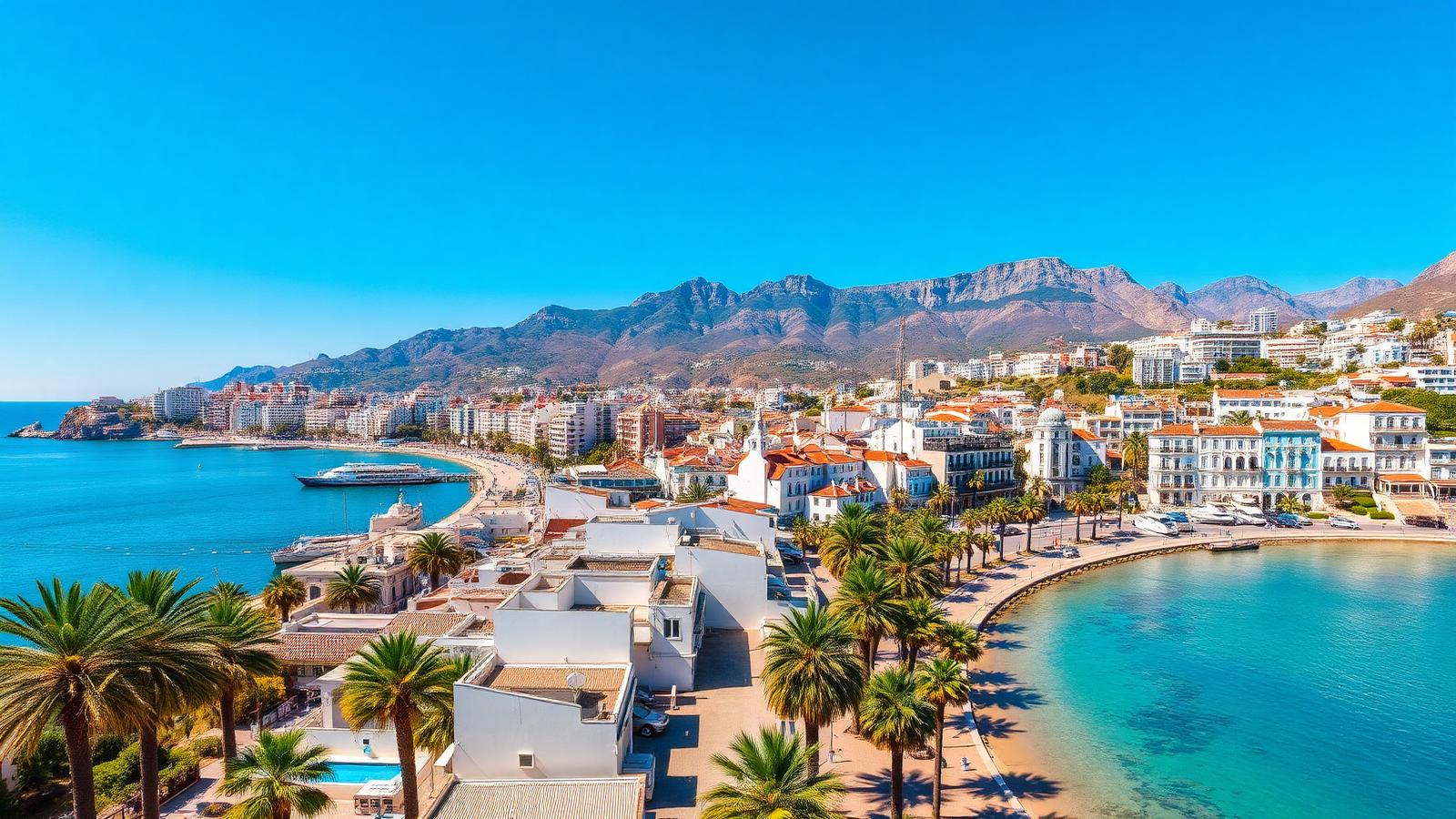
Marbella
Glamorous coastal capital with year-round sun, world-class dining and a polished international community.
Lifestyle highlights
Pros
- Mature international community
- World-class amenities
- Strong rental demand
Possible drawbacks
- Premium pricing
- Summer traffic
Overview
Marbella is the established prime market of the Costa del Sol, anchored by the Golden Mile, Sierra Blanca, Nueva Andalucía and Puerto Banús. The municipality combines mature international infrastructure (schools, healthcare, dining) with one of Europe's longest property cycles for non-resident buyers.
Who it suits
Best suited to international buyers seeking a primary or secondary residence with year-round usability, gated-community security, and access to international schools. Less suited to pure-yield investors targeting >7% gross yields — Marbella trades on capital preservation and lifestyle, not maximum cashflow.
Taxes & buying costs
Non-resident buyers pay ITP (Andalusia: 7%) on resale homes or 10% IVA + 1.2% AJD on new builds, plus notary, registry and legal fees totalling roughly 10–13% on top of purchase price. Annual costs include IBI, basura, community fees and non-resident income tax. See the Taxes & Costs pillar for full breakdown.
Rental yields
Long-let gross yields typically sit around 4–6%. Licensed short-let (VFT) properties in prime sub-areas can achieve higher gross but face stricter community and municipal regulation. Always verify VFT eligibility before underwriting short-let income.
Transport & access
Málaga–Costa del Sol airport (AGP) is roughly 40 minutes by car. Gibraltar (GIB) is around 1 hour. The AP-7 toll motorway and A-7 coastal road connect the municipality; no metro or commuter rail currently serves Marbella directly.
International buyers
Marbella attracts a diverse non-resident base — historically UK, Scandinavian, Dutch, German, Belgian and French buyers, with a rising share from the US, Middle East and Latin America. Currency, mortgage availability and tax residency rules vary materially by origin country.
Risks & considerations
- Premium pricing means longer hold periods are usually needed to absorb 10–13% acquisition costs
- Short-let regulation (VFT) is tightening at both autonomous-community and community-of-owners level
- Summer congestion and seasonal pricing can distort viewings — visit out of season as well
- Off-plan purchases require careful review of bank guarantees under Ley 57/1968 / Ley 20/2015
Frequently asked questions
Frequently asked questions
Can non-residents buy property in Marbella?
Yes. Spain places no nationality restrictions on property ownership. Non-residents need a NIE (Número de Identidad de Extranjero) and a Spanish bank account, and should budget roughly 10–13% on top of the purchase price for taxes and fees.
What are the total buying costs in Marbella?
Plan for approximately 10–13% of the purchase price in taxes and fees: ITP 7% (resale) or 10% IVA + 1.2% AJD (new build), plus notary, land-registry, legal (1–1.5%) and mortgage-related costs if financed.
Is Marbella a good investment?
Marbella is generally better positioned as a capital-preservation and lifestyle market than as a high-yield play. Long-let gross yields typically sit around 4–6%; capital appreciation has historically tracked international demand for prime Costa del Sol stock.
Do I need a Spanish mortgage?
Non-residents can usually borrow up to 60–70% loan-to-value from Spanish banks, subject to debt-service ratios. Many international buyers also finance from their home country or pay cash. See the Mortgages pillar for current criteria.
More in Costa del Sol
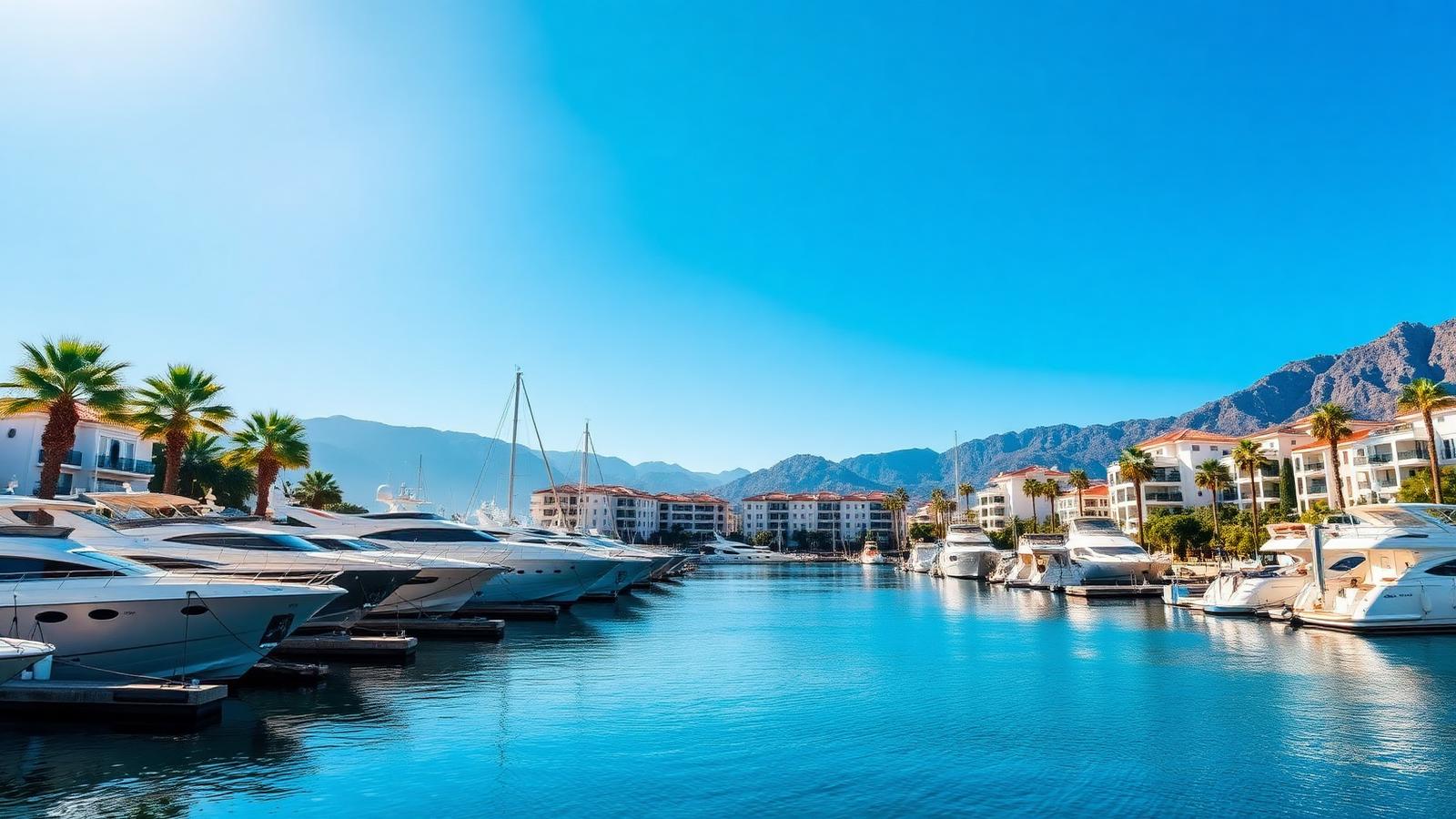
Puerto Banús
Iconic superyacht marina, designer boutiques and vibrant nightlife in the heart of the Golden Mile.
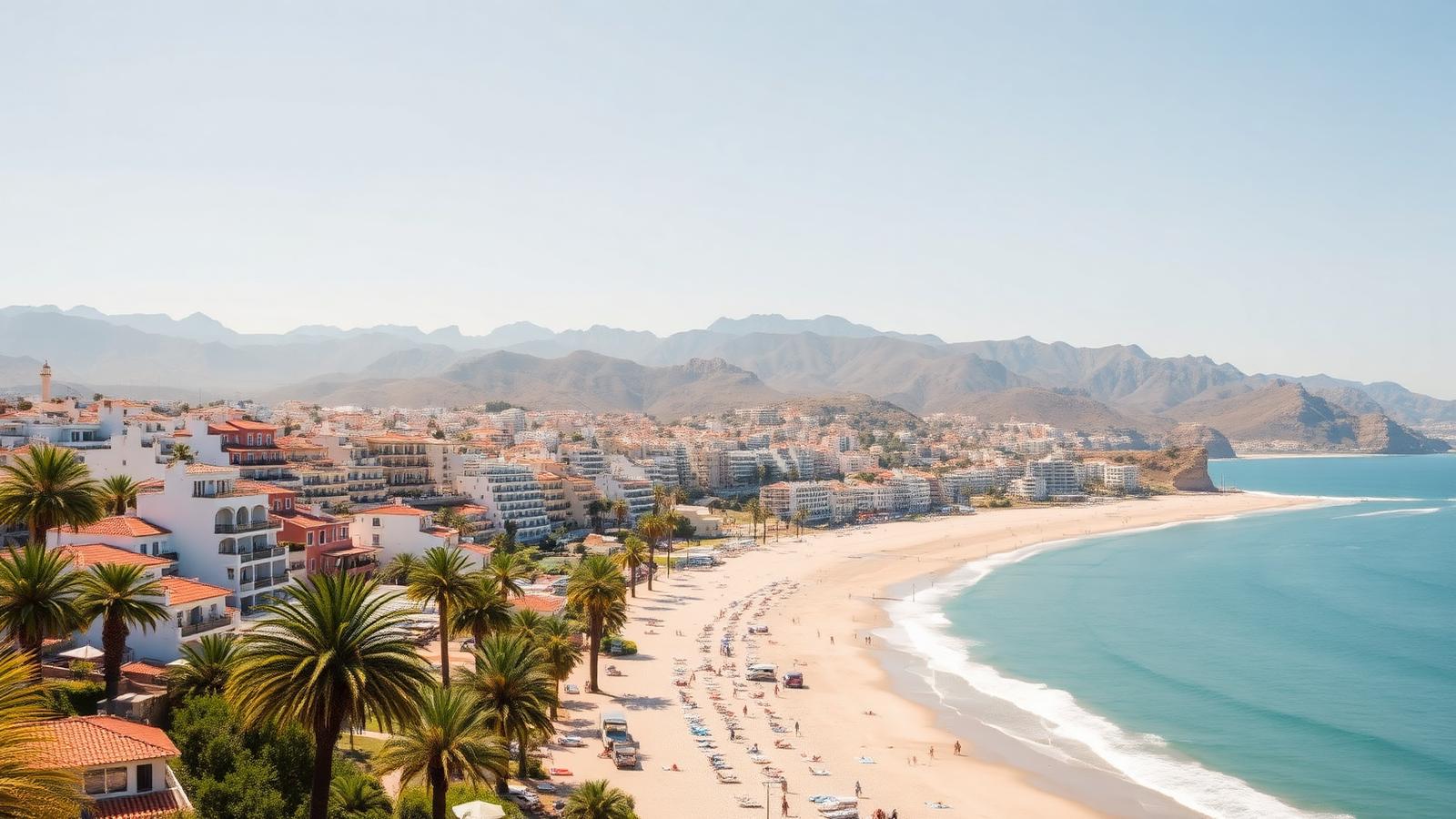
Benahavís
Quiet hillside enclave of gated golf communities, fine restaurants and panoramic sea views.
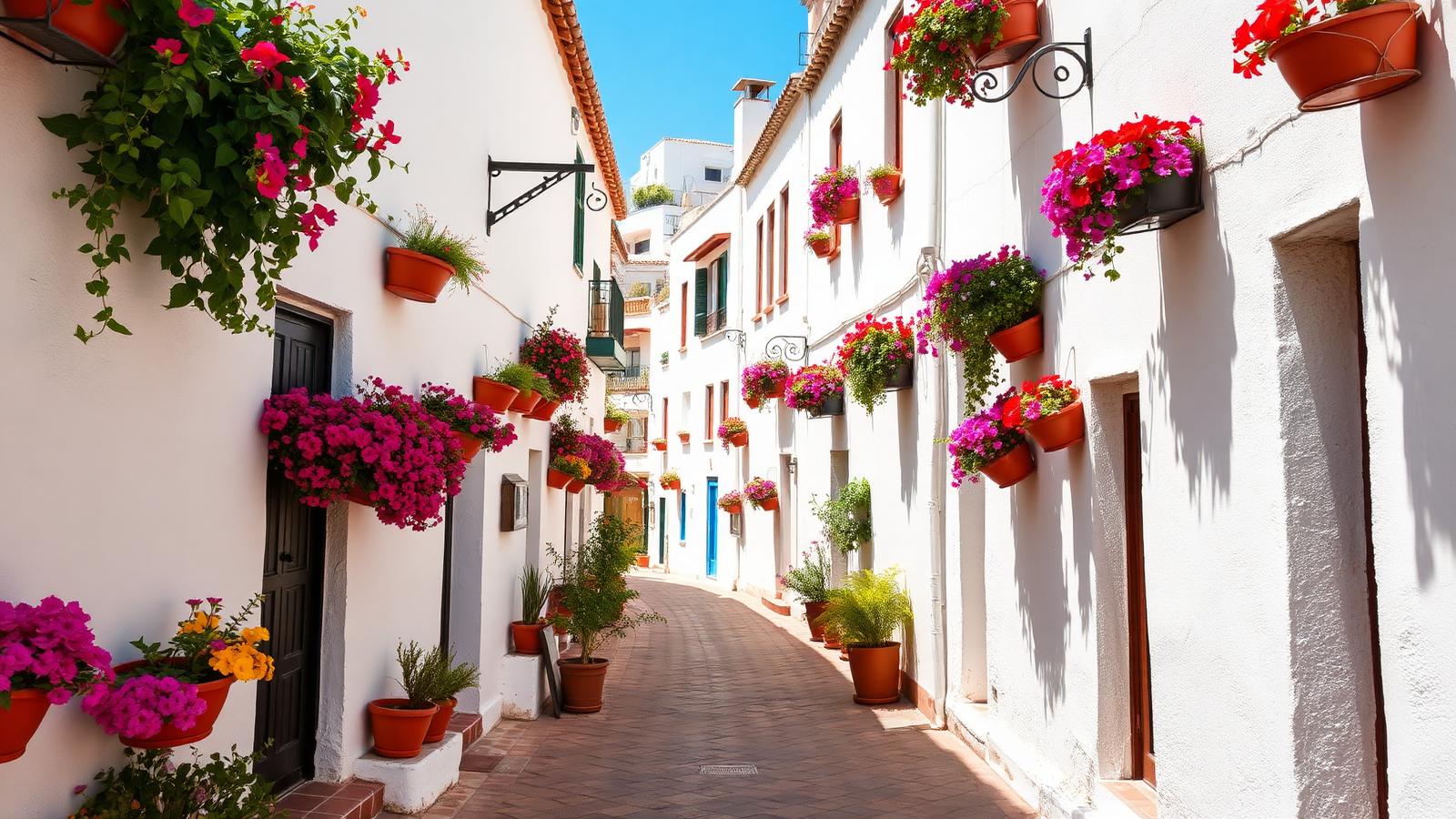
Estepona
Charming old town, blooming flower-lined streets and a maturing luxury beachfront.